Building Your First Gaming PC: A Beginner’s Guide
Building your first gaming PC is exciting because you get to make something that is powerful and personal. It can also feel a little overwhelming at first, but once you understand the basic parts and what they do, the whole process becomes much easier.
Why Build Your Own PC
One of the biggest reasons to build your own gaming PC is that you can choose the parts you want. That means you can spend more on the parts that matter most for gaming, like the graphics card and processor, instead of paying for features you may not need. It also helps you learn how computers work, which is a cool skill to have.
The Main Parts
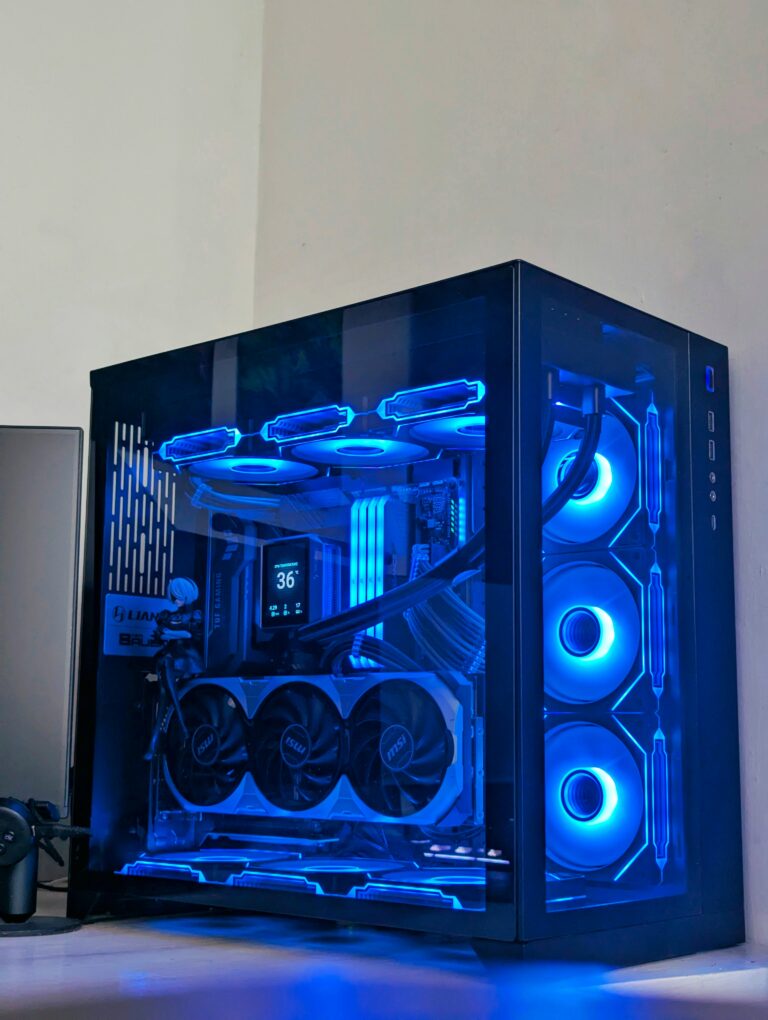
A gaming PC is made up of several important parts. The motherboard connects everything together, the CPU handles the main tasks, and the GPU helps run games smoothly with better graphics. You also need RAM, storage like an SSD, a power supply, and a case to hold everything.
Picking the Right Parts
When you build your first PC, it is smart to start with a budget and stick to it. A beginner does not need the most expensive parts to have a great experience. It is more important to make sure the parts are compatible with each other and that they fit your goals, whether that is playing popular games, streaming, or just learning how to build.
Assembling the PC
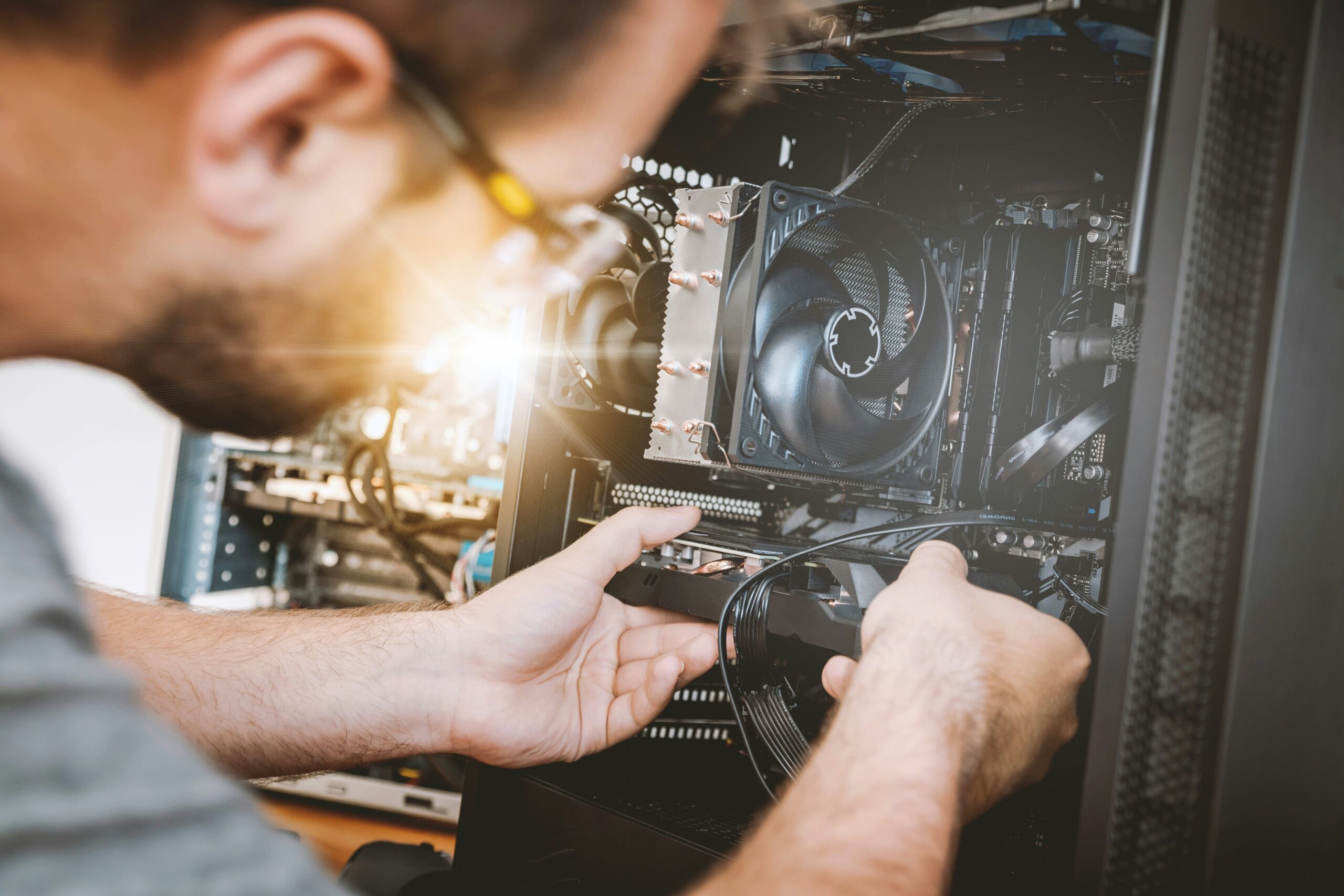
Putting the parts together can seem scary, but it is usually just a step-by-step process. You place the CPU and RAM on the motherboard, install the storage, mount the motherboard in the case, and then connect the power supply and graphics card. If you go slowly and follow instructions carefully, the build becomes much more manageable.
First Power On
The first time you turn on your PC is the most exciting part. If everything is connected correctly, the computer should start up and let you go into the BIOS or install an operating system. After that, you can install drivers, update the system, and start downloading your favorite games.
What We Learned
Building our first gaming PCs taught us that computers are not as mysterious as they seem. It takes patience, planning, and attention to detail, but it is worth it. The best part is seeing your own build come to life and knowing you put it together yourself.
Conclusion
Building your first gaming PC is a great way to learn, have fun, and create something useful. It may feel challenging at first, but once you understand the basics, it becomes a rewarding project. For beginners, the most important thing is to take your time, stay organized, and enjoy the process.